What is Nizwa Fort?
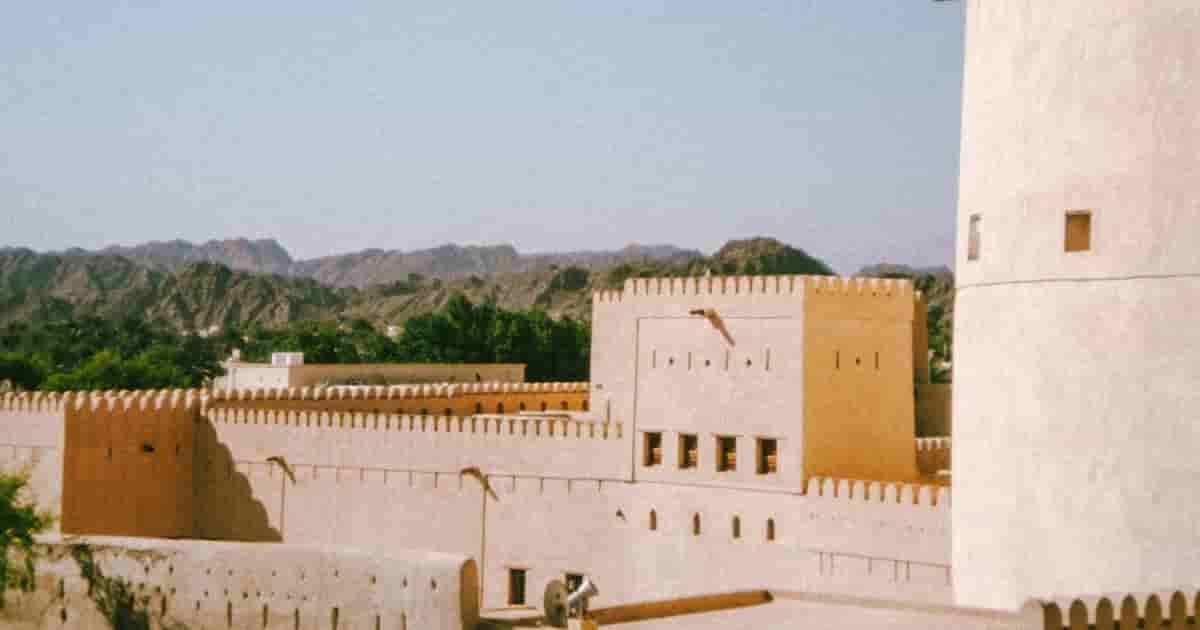
Nizwa Fort dates back to the 17th century and stands in central Nizwa, within Oman’s Al Dakhiliyah Governorate. It is famous for its enormous circular tower. Few forts in Oman look like it. Locals and tourists both rank it among the country’s top heritage attractions.
The fort was never just a stronghold. Imams and walis ruled from here. Families lived inside, and prisoners were held behind its walls. The historic fortress now offers visitors an engaging look at Omani culture and traditional life.
Location
The fort stands in the old quarter of Nizwa, right beside Nizwa Souq. Nizwa is located in Al Dakhiliyah, near the foothills of the Al Hajar mountain range. This spot once guarded vital routes between the coast, the mountains, and the desert.
From the tower you can see the mosque dome, palm groves, and distant peaks. That makes finding the place easy. Just look for the giant round tower above the rooftops.
How to Reach Nizwa Fort
A road journey from Muscat to Nizwa typically takes around two hours. The drive is smooth and easy. Most Omani families turn it into a full-day outing. Start early to beat the heat and the traffic.
Once you arrive, park near the old quarter and walk to the gate. The souq and the fort sit side by side. So you can park once and see both.
Driving from Muscat
Take the highway toward Nizwa and follow the signs for the old town. A car gives you the most freedom, especially if you plan to add Bahla or Birkat Al Mouz. Fill up on fuel and water before you leave. Weekday mornings usually give the smoothest drive.
Buses, Taxis and Tours
Intercity buses and taxis also reach Nizwa. Ride apps such as O Taxi help you move around town. Tour operators run Muscat to Nizwa day trips that often add Jabal Akhdar. A guided trip suits you if you prefer not to drive.
Opening Hours and Ticket Price
The fort welcomes visitors almost every day of the week. Friday hours differ slightly because of midday prayers. Plan your visit around the table below.
Entry costs OMR 5. Visitors can purchase admission tickets directly at the fort’s reception counter. Guided tours are available on request. They add great stories about the traps and rooms.
| Day | Opening hours |
|---|---|
| Saturday to Thursday | 8:00 AM to 8:00 PM |
| Friday | 8:00 AM to 11:30 AM and 1:30 PM to 8:00 PM |
| Entry ticket | OMR 5, sold at the reception desk |
History of Nizwa Fort
Imam Sultan bin Saif Al Ya’rubi commissioned the fortress during the mid-1600s. His reign over Oman lasted from 1649 until 1679. The main structure took about 12 years to finish. Builders placed it above an underground stream, which gave defenders a steady water supply.
Nizwa Fort grew into the administrative heart of the region. Imams and walis governed from its halls. Historically, Nizwa earned a strong reputation as a hub for Islamic scholarship, education, and religious activities. So the fort stood for power, faith, and culture all at once.
Nizwa Fort Architecture
Nizwa’s builders designed the fort for survival. Every wall, door, and staircase has a defensive job. Stone and sarooj, a traditional Omani mortar, give the walls their strength.
The result feels both grand and cunning. It shows how Omani defensive architecture advanced during the Ya’rubi era. The fort’s defensive design combines heavy cannons, reinforced entrances, and concealed traps to protect against attacks.
The Circular Tower
The main tower measures approximately 34 metres in height and 45 metres in diameter. Its lower structure contains packed earth and stones for added strength. Cannons positioned above once provided defensive coverage across the surrounding town. A few still sit there today.
Secret Defenses: Murder Holes, False Doors and Pitfalls
A narrow zigzag staircase climbs through seven fortified doors, and false doors confuse intruders. Murder holes above the doors let defenders pour boiling oil, water, or date syrup. Wooden planks on some steps hid deep pits. Attackers rarely made it far.
Attractions to see at Nizwa Fort
The fort packs many sights into one compact site. Courtyard events add extra fun.
Tower Top and Panoramic Views
The climb is narrow but worth every step. From the top you see palm groves, the mosque dome, the souq rooftops, and the Hajar Mountains. Late sun turns the old town golden. Bring your camera.
Imam’s Room, Wali’s Reception Hall and Heritage Rooms
These rooms show how leaders lived and ruled. The Imam’s Room, the Wali’s reception hall, and the heritage rooms hold traditional displays. They give a human face to the fort’s grand walls. Look closely at the doors and passages.
Prison Museum and Weapons Storeroom
The old prison now hosts a lively museum with exhibits and display boards. The weapons storeroom shows what defenders used to guard the town. Together they explain Nizwa’s long story.
Craft Workshops and the Halwa-Making Room
Silver and copper craft workshops show skills passed down for generations. The halwa room explains how Omani sweets come to life. You can browse crafts at the gift shop afterward. It’s a creative and tasty stop.
Facilities and Amenities
The site is well set up for a relaxed visit. A café, rest areas, restrooms, and prayer rooms keep you comfortable. An information center and a gift shop sit on site. Photography is welcome.
However, the tower staircases are narrow and steep. Wear sturdy shoes and take your time.
- Café and rest areas
- Restrooms and a washing room
- Prayer rooms
- Information center
- Gift shop
- Guided tours on request
Best Time to Visit Nizwa Fort
October to April is the best season. Days stay mild and walking feels pleasant. Summer in inland Nizwa gets very hot, so skip midday then.
Morning suits visitors who also want the souq. Late afternoon gives soft light for photos and a golden sunset. Nizwa Fort stays open until 8 PM, so an evening visit works well.
Nizwa Souq and the Friday Market
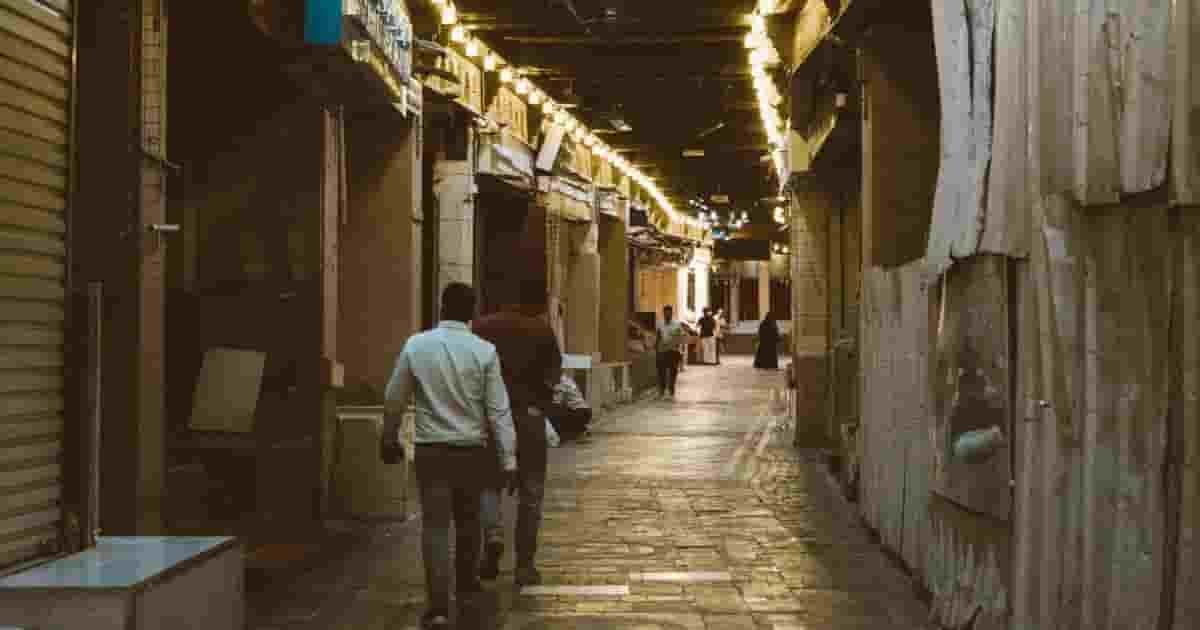
The souq sits right next to the fort. It’s famous for handicrafts, silver, pottery, dates, and Omani halwa. Walking from the fort into the market feels like stepping from history into daily life.
Friday is a big day. The weekly market draws crowds from across the region, and Nizwa Fort sees its highest visitor numbers then. Arrive early for a calm tower climb. Then enjoy the Friday market buzz at your own pace.
Nearby Places to Visit
Nizwa makes an ideal base for a heritage circuit in Al Dakhiliyah. Many sites sit within a short drive. You can easily build a full day or a weekend around them.
Mix history with nature for a balanced trip. Then head to a second castle or up into the mountains.
- Nizwa Museum
- Bashair Al Dakhlia National
- AL Shahba Shopping Centre
- Jabreen Castle
- Bahla Fort
Frequently Asked Questions
How much is the Nizwa Fort ticket?
Entry costs OMR 5.
Who built Nizwa Fort?
Imam Sultan bin Saif Al Ya’rubi built it in the mid-17th century.
How far is Nizwa Fort from Muscat?
About 1.5 to 2 hours by road.
Is Nizwa Fort open on Friday?
Yes. It closes briefly at midday and reopens at 1:30 PM.
Can I take photos at Nizwa Fort?
Yes. Photography is permitted.
Conclusion
For travellers interested in Oman’s history, Nizwa Fort offers a memorable opportunity to explore the country’s architectural and cultural heritage. The giant tower, clever defenses, and lively souq make it fun for every age. Pair it with Bahla, Jabreen, or Jabal Akhdar for a day you won’t forget. Start early, wear good shoes, and enjoy every step.
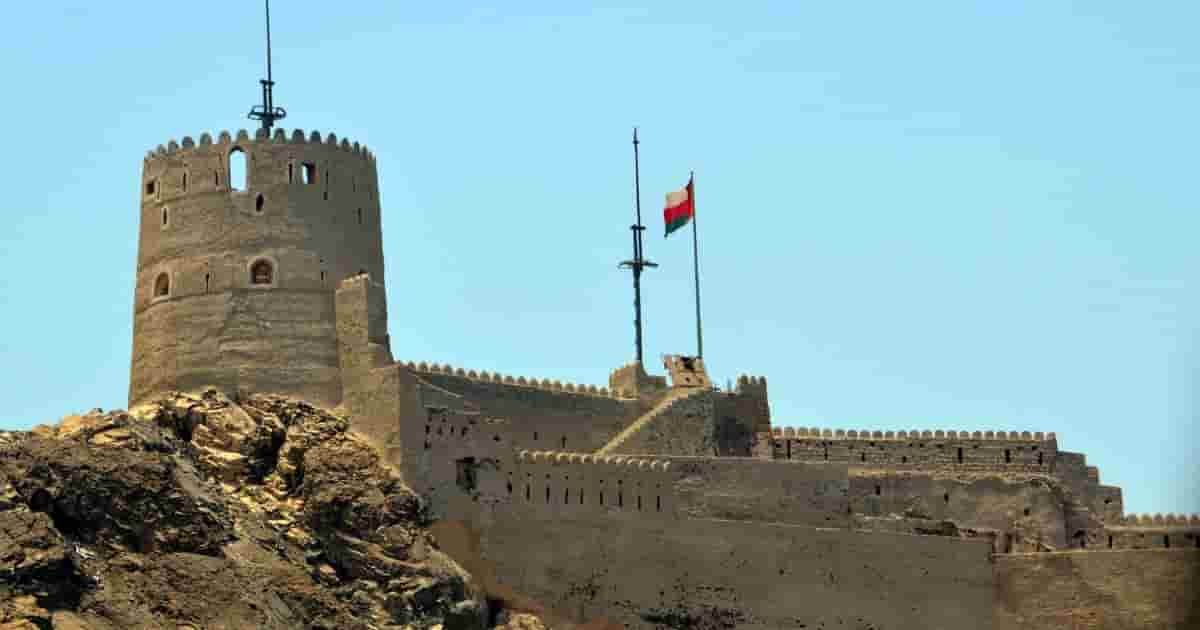
After exploring Nizwa Fort, you can also visit Mutrah Fort in Oman to discover another fascinating part of the country’s rich history and heritage.