Overview of Mutrah Souq
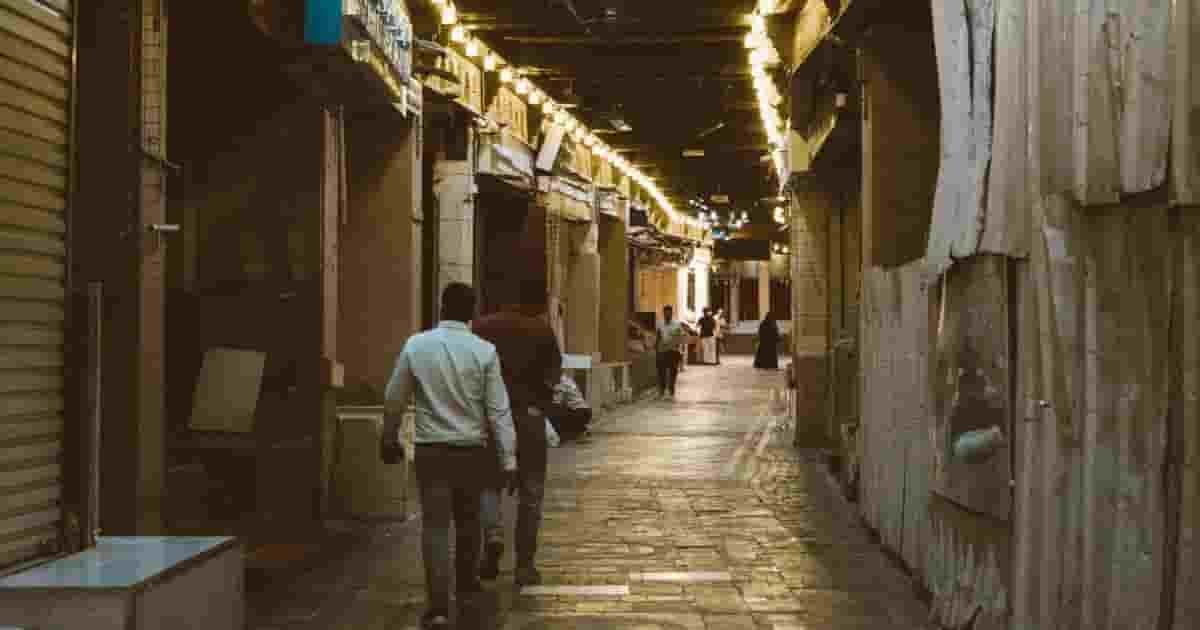
Mutrah Souq is a historic marketplace in the Mutrah district of Muscat, Oman. It remains a working market where residents and visitors shop for perfumes, jewellery, spices, textiles, and traditional handicrafts. Its covered walkways and winding lanes create a distinctive atmosphere that sets it apart from modern retail centres.
The market is also known as Souq Al Dhalam, a name associated with its dim, roofed passages. Entry is free to explore everything without buying anything. Allow around one to two hours for browsing, shopping, and enjoying the surrounding waterfront.
Where Is Mutrah Souq Located?
The market stands beside Mutrah Corniche, overlooking the harbour in northeastern Muscat. Its main entrance faces the waterfront, making it easy to find while exploring the promenade. The surrounding district features traditional buildings, mosques, shops, and narrow streets that reflect Muscat’s older character.
Visitors can combine the market with a walk beside the sea or a visit to nearby historic landmarks. If you’re staying in central Muscat, a taxi is a convenient option. Cruise passengers can also reach the area on foot when their port’s pedestrian access allows it.
History of Mutrah Souq
Mutrah developed around a natural harbour that connected Oman with important maritime trading routes. Merchants exchanged goods with communities across the Arabian Peninsula, India, Persia, and East Africa. These trading links helped shape the area’s commercial character and brought different products, traditions, and influences into the market.
Over time, the marketplace became an important part of daily life in the port district. Its narrow lanes and traditional shops preserve a sense of the area’s past while continuing to serve modern customers. Rather than functioning solely as a tourist attraction, the market remains a place to shop and meet.
What Is Mutrah Souq Famous For?
Mutrah Souq is famous for its traditional atmosphere, covered wooden roof, winding alleys, and Omani souvenirs. Visitors can find:
- Frankincense and traditional incense
- Silver jewellery and traditional designs
- Perfumes, oud, and fragrance oils
- Bukhoor and decorative incense burners
- Local spices and herbs
- Traditional Omani khanjars
- Embroidered kummah caps
- Traditional clothing, scarves, and fabrics
- Handcrafted souvenirs and decorative items
- Pottery, serving dishes, and household ornaments
Things to Buy at Mutrah Souq
Shopping here is an opportunity to discover products associated with Omani culture and everyday life. You’ll find gifts for different tastes, from inexpensive souvenirs to jewellery and decorative pieces. Prices vary by material, craftsmanship, and seller, so comparing a few shops can help you make a better choice.
Popular purchases include:
- Frankincense: A fragrant resin associated with Oman’s southern Dhofar region and traditional hospitality.
- Bukhoor and incense burners: Scented wood chips and small burners used to fragrance homes and clothing.
- Silver jewellery: Traditional designs, decorative ornaments, and pieces inspired by Bedouin craftsmanship.
- Khanjars: Curved ceremonial daggers.
- Kummah caps: Embroidered caps commonly worn by Omani men.
- Perfumes and oud: Fragrance oils and scented products available in many shops.
- Spices and sweets: Cardamom, saffron, other spices, and traditional Omani halwa.
- Textiles and shawls: Colourful fabrics, scarves, and clothing suitable for gifts.
How to Choose Authentic Omani Souvenirs
A traditional design doesn’t always mean a product was made in Oman. Ask sellers about its origin, materials, and craftsmanship before spending more on a special item. For silver jewellery, request clear information about purity and hallmarks. When buying antiques or a khanjar, ask about age, authenticity, and any export requirements.
Mutrah Souq Opening Hours
Mutrah Souq generally follows these opening hours:
- Saturday to Thursday: 9:00 AM–1:00 PM and 4:00 PM–10:00 PM
- Friday: 4:00 PM–10:00 PM
How to Get to Mutrah Souq
- By Taxi: Taxis and ride-hailing services offer a convenient way to reach Mutrah Souq from different parts of Muscat.
- By Public Bus: Public buses serve the Mutrah area.
- By Cruise Ship: Cruise passengers should follow the port’s current pedestrian access arrangements to reach the souq.
- By Car: Drive towards Mutrah Corniche and look for available parking nearby.
- Best Drop-Off Point: Ask your driver for Mutrah Souq or Mutrah Corniche to reach the market entrance.
Tips for Shopping at Mutrah Souq
A little preparation can make shopping at Mutrah Souq easier and more enjoyable.
- Compare prices at different shops before buying.
- Bargain politely with sellers when appropriate.
- Carry cash for small purchases, as some vendors may prefer it.
- Dress modestly to respect local customs.
- Ask permission before photographing shopkeepers or visitors.
- Pack fragile souvenirs carefully to prevent damage.
- Respect residents and avoid entering private areas.
Is Mutrah Souq Worth Visiting?
Yes, this market is a worthwhile stop for travellers interested in Omani culture, traditional shopping, and historic neighbourhoods. Its appeal comes from the mix of local commerce, distinctive products, and waterfront surroundings. Even without buying anything, you can enjoy the atmosphere and observe daily life in Mutrah.
Money, Cards & ATMs
Many established shops at Mutrah Souq accept credit or debit cards, while smaller vendors may prefer cash. Keep some Omani rials available for small purchases and souvenirs.
ATMs are available near the souq and along Mutrah Corniche. Before buying jewellery or expensive handicrafts, confirm the final price and accepted payment methods. If a price is quoted in another currency, ask for the amount in Omani rials to avoid confusion.
Food and Drinks Near Mutrah Souq
Food and drink options are available around Mutrah Souq and the nearby Corniche. Visitors can enjoy local refreshments or stop at nearby restaurants for a meal.
- Karak tea: A popular spiced milk tea found at many local cafés.
- Arabic coffee: A traditional drink often served with dates.
- Omani halwa: A sweet local treat commonly offered to guests.
- Fresh juices: A refreshing option at cafés and juice shops.
- Omani dishes: Some nearby restaurants serve traditional meals, including shuwa, slow-cooked meat prepared for special occasions.
- Waterfront dining: Restaurants around Mutrah Corniche offer a range of regional and international dishes.
Nearby Attractions
Nearby attractions offering waterfront views, local history, and cultural experiences.
- Mutrah Corniche – 4 minutes drive
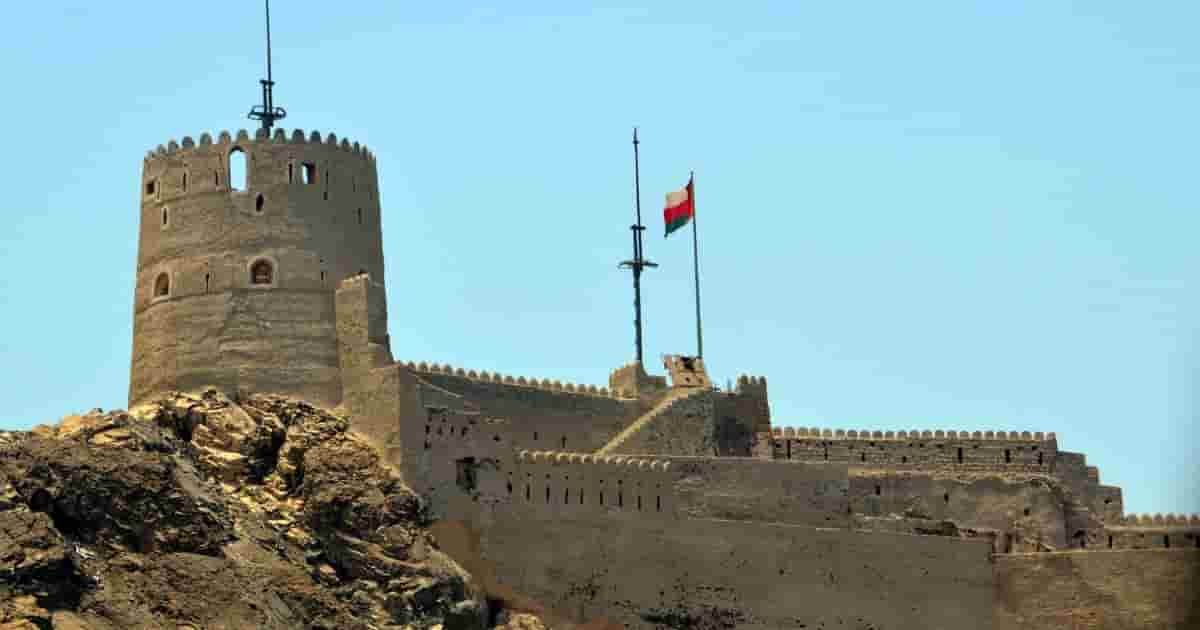
- Mutrah Fort – 5 minutes drive
- Mutrah Fish Market – 3 minutes drive
- Bait Al Baranda Museum – 2 minutes drive
- Riyam Park – 5 minutes drive
- Mutrah Gate Hotel – 4 minutes drive
- Mutrah Central Mosque – 7 minutes drive
Frequently Asked Questions
Is Mutrah Souq free to enter?
Yes, visitors can generally enter the market without paying an admission fee.
What should I buy at Mutrah Souq?
Popular choices include frankincense, incense burners, perfumes, silver jewellery, kummah caps, spices, and Omani halwa.
Can you bargain at Mutrah Souq?
Yes, polite bargaining is common at some souvenir shops.
Is Mutrah Souq suitable for families?
Yes, families can explore the market together. However, the narrow lanes can become crowded, so keep children close and allow enough time for walking breaks.
Conclusion
Mutrah Souq offers a memorable introduction to Oman’s traditional markets and trading heritage. From fragrant frankincense and colourful textiles to silver jewellery and local sweets, the market brings together shopping, culture, and everyday life in Muscat.